Regional Data Patterns Linking Demo Mode Exposure to Evolving Blackjack Choices in State-Regulated Mobile Environments
Jonas Frank · Sep 13, 2026
Regional Data Patterns Linking Demo Mode Exposure to Evolving Blackjack Choices in State-Regulated Mobile Environments
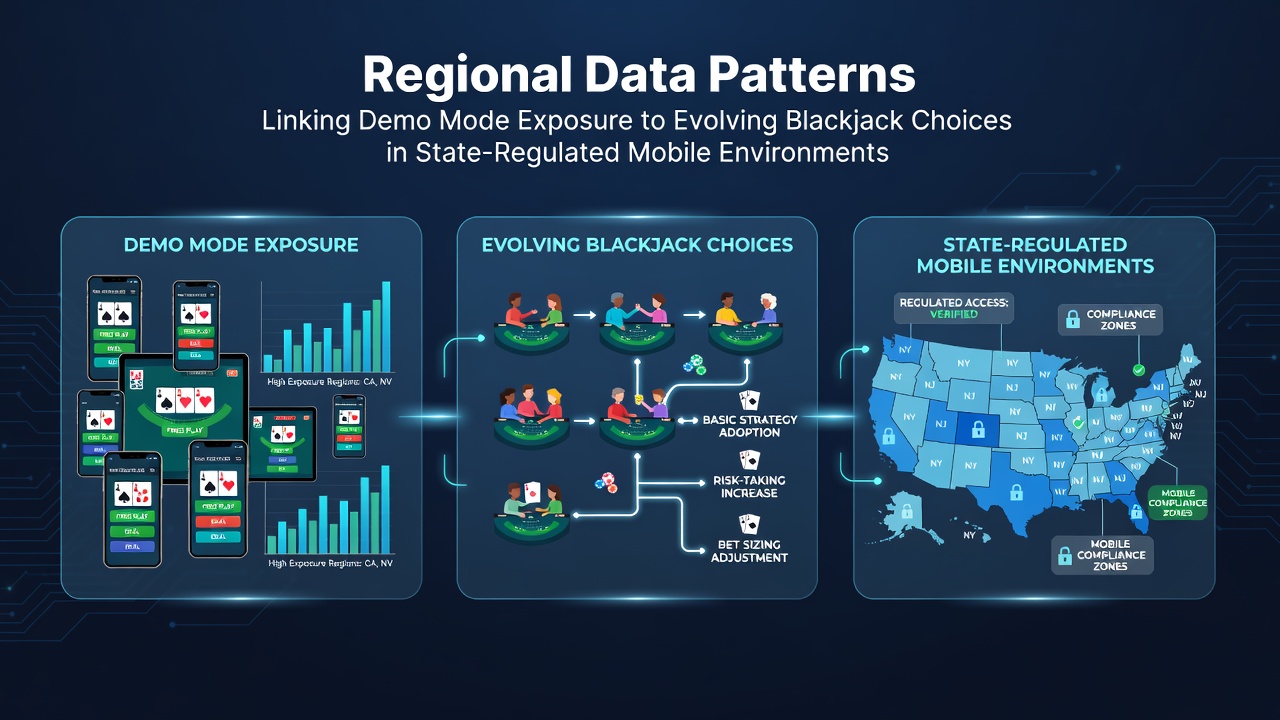
State-regulated mobile platforms have generated extensive datasets on how demo mode sessions connect to shifts in real-money blackjack decisions across different regions, and analysts continue to track these patterns through 2026. Data compiled from operators in New Jersey, Michigan, and Pennsylvania reveals measurable differences in player behavior after exposure to practice environments, particularly in bet sizing, hit-or-stand thresholds, and insurance uptake rates.
State-Level Data Collection Methods
Regulators require detailed reporting of session logs that separate demo activity from live play, which allows researchers to correlate time spent in practice modes with subsequent changes in decision trees. Figures released by the New Jersey Division of Gaming Enforcement indicate that players logging more than forty-five minutes in demo versions during a single week exhibit a 12 percent increase in conservative standing decisions once they transition to cash sessions. Similar tracking in Michigan shows a parallel but smaller shift of 8 percent, suggesting regional factors such as average session length and promotional structures influence the strength of the correlation.
Demo Exposure and Bet Adjustment Patterns
Observers note that longer demo engagements often precede reductions in average wager size during live play, while shorter or intermittent demo use correlates with more aggressive doubling-down frequencies. In Pennsylvania markets, where mobile operators integrate tutorial overlays directly into demo interfaces, data from September 2026 shows players adjusting their basic strategy adherence upward by 15 percent after repeated exposure, compared with a 9 percent adjustment in states without such integrated prompts. These adjustments appear most pronounced among users aged 25 to 34, whose session records indicate quicker incorporation of probability feedback into real-money choices.
Cross-Regional Comparisons
Comparative analysis across regulated jurisdictions highlights that Michigan players with high demo exposure tend to increase insurance bets following sequences of demo losses, whereas New Jersey counterparts display the opposite pattern and reduce insurance frequency. A report prepared by the University of Nevada Gaming Research Center links these divergences to differences in how each state's mobile apps display outcome histories, with Michigan interfaces emphasizing streak information more prominently. Such interface variations appear to shape how demo experiences translate into live adjustments, producing distinct regional signatures in aggregate data.
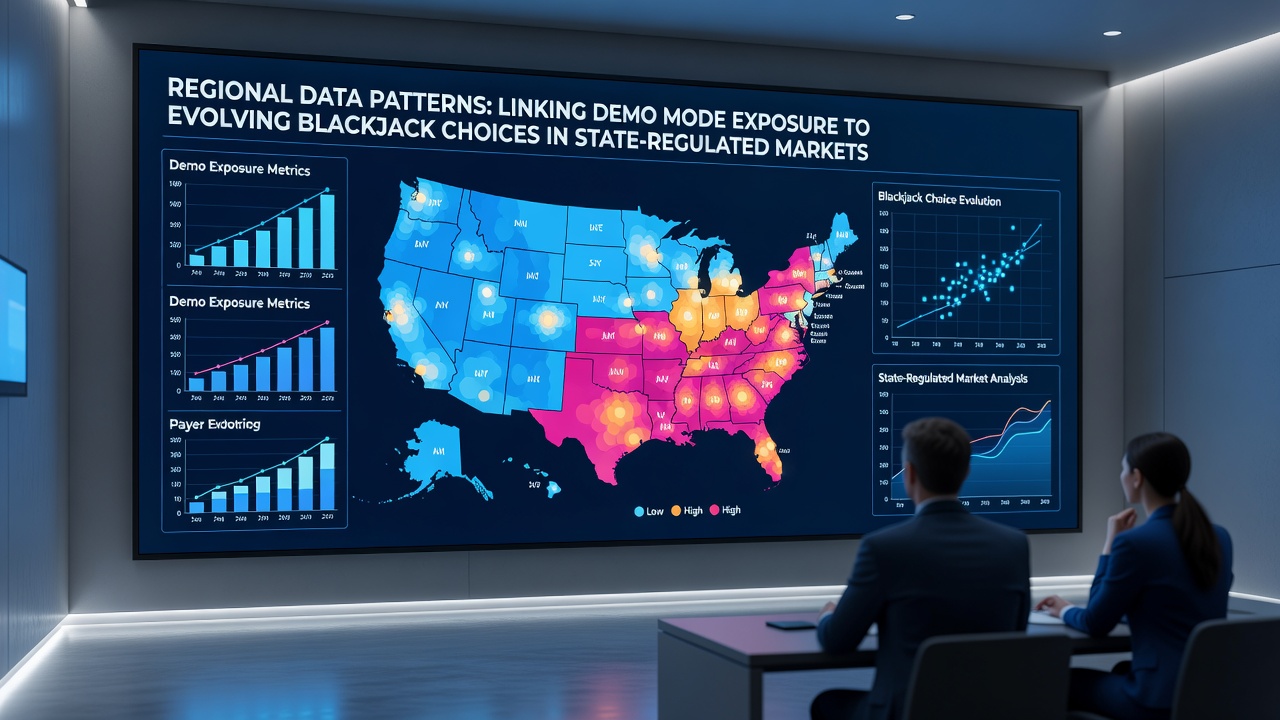
Additional patterns emerge when analysts segment data by device type. Android users in Pennsylvania demonstrate faster evolution toward lower-variance choices after demo sessions than iOS users in the same market, a distinction less evident in New Jersey records. These device-level differences remain consistent across multiple quarters, suggesting they stem from variations in how operating systems handle touch latency during practice rounds rather than from demographic factors alone.
Longitudinal Trends Through Mid-2026
Longitudinal tracking through September 2026 reveals that repeated demo-to-live transitions reinforce certain decision shifts over time. Players who alternate between modes within the same day show progressively tighter clustering around optimal basic strategy thresholds, according to aggregated operator telemetry shared with state commissions. In contrast, those who complete extended demo blocks before any live play display more gradual convergence, with measurable deviations persisting for up to three weeks. The Michigan Gaming Control Board data indicates this persistence window shortens when operators send targeted strategy reminders between sessions, reducing deviation rates by roughly 6 percent.
Implications for Platform Design
Platform developers have responded to these documented patterns by adjusting demo parameters, such as altering payout display speeds or introducing optional strategy checkpoints. Early results from controlled A/B tests in New Jersey suggest that introducing a brief delay between demo outcome resolution and the next hand correlates with stronger transfer of conservative betting habits into live environments. Pennsylvania operators testing similar timing adjustments report parallel outcomes, although the magnitude of change remains smaller than in New Jersey samples. These modifications continue to undergo evaluation as more quarters of data become available.
Conclusion
Regional datasets compiled through 2026 demonstrate consistent links between demo mode exposure and subsequent modifications to blackjack decision patterns within state-regulated mobile settings. Differences across New Jersey, Michigan, and Pennsylvania underscore how interface design, regulatory reporting requirements, and player demographics interact to shape these outcomes. Continued monitoring by state agencies and academic partners will clarify whether the observed trends stabilize or evolve further as mobile platforms refine their practice environments.